



Почему ad-hoc запросы тормозят аналитику
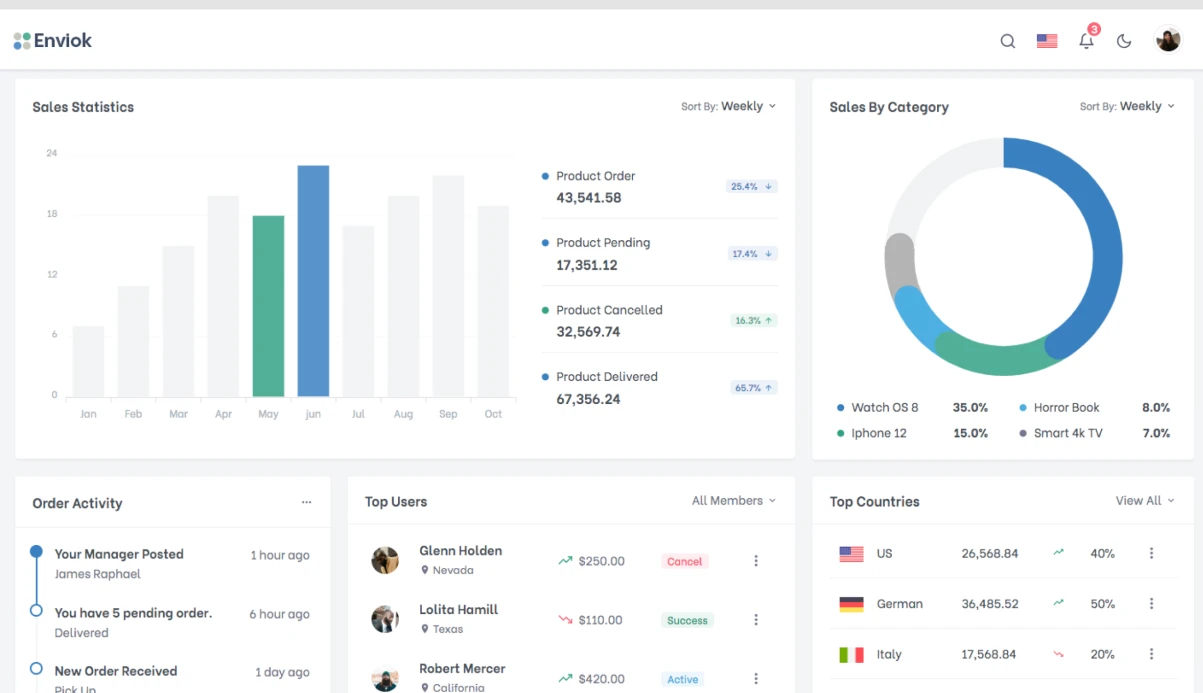
Бизнес-пользователь хочет увидеть топ-10 продаж по категориям за последнюю неделю. Традиционный путь: запрос аналитику, уточнение требований, ожидание в очереди. Ответ приходит через пару дней. Text-to-Code решает иначе. LLM превращает вопрос на русском в код Python или SQL. Затем выполняет его и возвращает результат с визуализацией. Всё это занимает секунды. Согласно Gartner, доля NLQ-запросов вырастет до 60% в ближайшие годы.
Недавно мы внедрили Text-to-Code для ритейл-сети с 500 магазинами. Раньше на запрос 'покажи средний чек по регионам за прошедший месяц' уходило 2 дня. Теперь ответ приходит за 15 секунд. Аналитики переключились на сложные задачи, а бизнес-пользователи получили самообслуживание. За 5 лет работы мы реализовали более 50 проектов AI-аналитики.
Как Text-to-Code ускоряет работу с данными
Классическая BI требует заранее спроектированных дашбордов. Каждый новый вопрос — 1–3 дня на согласование и разработку. Text-to-Code сокращает это до 10–30 секунд. Аналитики тратят на рутину на 70% меньше времени. Бизнес-пользователи получают самообслуживание для 80% стандартных запросов. Text-to-Code в 10–50 раз быстрее традиционных BI-запросов.
| Критерий | Классическая BI | Text-to-Code (наша система) |
|---|---|---|
| Время на новый запрос | 1–3 дня | 10–30 секунд |
| Необходимость SQL/Python | Да | Нет (вопрос на естественном языке) |
| Адаптация к изменению данных | Ручная перестройка дашбордов | Автоматическая через schema retrieval |
| Масштабируемость (100+ запросов/день) | Ограничена штатом аналитиков | Практически безгранична (sandbox) |
Почему безопасность кода — главный риск?
Главный риск Text-to-Code — вредоносный или некорректный код. Наша изоляция строится на трёх уровнях:
- Sandbox-контейнер: выполнение в изолированном окружении с ограниченным доступом к файловой системе и сети. Используем Docker или gVisor.
- Whitelist модулей: разрешены только pandas, numpy, plotly и встроенные функции Python. Запросы на импорт сторонних библиотек блокируются.
- Валидация результата: типы выходных данных проверяются, код логируется для аудита.
Пример конфигурации Docker-контейнера для изоляции кода:
version: '3.8'
services:
  sandbox:
    image: python:3.11-slim
    command: tail -f /dev/null
    security_opt:
      - no-new-privileges:true
    cap_drop:
      - ALL
    volumes:
      - ./data:/data:ro
    environment:
      - PYTHONDONTWRITEBYTECODE=1
    deploy:
      resources:
        limits:
          cpus: '1'
          memory: 2G
Реализация на примере AIDataAnalyst
from anthropic import Anthropic
import pandas as pd
import io

class AIDataAnalyst:
    def __init__(self, dataframes: dict[str, pd.DataFrame]):
        self.dfs = dataframes
        self.llm = Anthropic()
        self.schema = self._build_schema()

    def _build_schema(self) -> str:
        schema_parts = []
        for name, df in self.dfs.items():
            schema_parts.append(f"Table: {name}")
            schema_parts.append(f"Shape: {df.shape[0]} rows x {df.shape[1]} columns")
            schema_parts.append("Columns:")
            for col in df.columns:
                dtype = str(df[col].dtype)
                n_unique = df[col].nunique()
                sample = str(df[col].dropna().head(3).tolist())
                schema_parts.append(f"  - {col} ({dtype}, {n_unique} unique): {sample}")
            schema_parts.append("")
        return '\n'.join(schema_parts)

    def analyze(self, question: str) -> dict:
        """Анализ данных по вопросу на естественном языке"""
        system_prompt = f"""You are a data analyst. You have access to these dataframes:
{self.schema}

Write Python code using pandas to answer the user's question.
The dataframes are available as: {list(self.dfs.keys())}
Return ONLY the Python code, no explanations. Use variable 'result' for the final result."""

        response = self.llm.messages.create(
            model="claude-3-5-sonnet-20241022",
            max_tokens=1000,
            system=system_prompt,
            messages=[{"role": "user", "content": question}]
        )

        code = response.content[0].text.strip()
        if code.startswith("```python"):
            code = code[9:-3].strip()

        result = self._execute_safely(code)

        # Генерация объяснения
        explanation = self._generate_explanation(question, result, code)

        return {
            'question': question,
            'code': code,
            'result': result,
            'explanation': explanation
        }

    def _execute_safely(self, code: str) -> any:
        """Безопасное выполнение сгенерированного кода"""
        import builtins

        # Разрешённые функции
        safe_globals = {
            '__builtins__': {
                'len': builtins.len, 'range': builtins.range,
                'list': builtins.list, 'dict': builtins.dict,
                'str': builtins.str, 'int': builtins.int,
                'float': builtins.float, 'print': builtins.print,
                'sorted': builtins.sorted, 'sum': builtins.sum,
                'min': builtins.min, 'max': builtins.max,
                'round': builtins.round, 'abs': builtins.abs,
            },
            'pd': pd,
            'np': __import__('numpy'),
        }

        # Добавление датафреймов
        safe_globals.update(self.dfs)

        local_vars = {}
        exec(code, safe_globals, local_vars)

        return local_vars.get('result')

    def _generate_explanation(self, question: str, result, code: str) -> str:
        result_str = str(result)[:2000] if result is not None else "No result"

        response = self.llm.messages.create(
            model="claude-3-5-sonnet-20241022",
            max_tokens=300,
            messages=[{
                "role": "user",
                "content": f"""Question: {question}
Analysis result: {result_str}

Provide a clear 2-3 sentence business explanation of this result."""
            }]
        )
        return response.content[0].text
Как автоматическая визуализация выбирает график?
class AutoVisualizer:
    def create_chart(self, data, question: str) -> str:
        """Автоматический выбор и создание визуализации"""
        chart_type = self._suggest_chart_type(data, question)

        import plotly.express as px

        if isinstance(data, pd.DataFrame):
            if chart_type == 'bar':
                fig = px.bar(data, x=data.columns[0], y=data.columns[1],
                             title=question[:80])
            elif chart_type == 'line':
                fig = px.line(data, x=data.columns[0], y=data.columns[1:],
                              title=question[:80])
            elif chart_type == 'scatter':
                fig = px.scatter(data, x=data.columns[0], y=data.columns[1],
                                 title=question[:80])
            elif chart_type == 'pie':
                fig = px.pie(data, names=data.columns[0], values=data.columns[1],
                             title=question[:80])

            return fig.to_html(include_plotlyjs='cdn', full_html=False)

        return None
Что входит в разработку AI-системы?
Мы предоставляем полный комплект документации и артефактов:
- Model card — спецификация выбранной LLM, параметры инференса, версии библиотек;
- Конфигурационные файлы — Docker Compose, переменные окружения, скрипты развертывания;
- Интерактивный Playbook — описание всех компонентов и инструкции по настройке;
- Нагрузочное тестирование — отчёт с латентностью p50/p99, FLOPS, GPU utilization при пиковых нагрузках;
- Обучение команды — 2-3 сессии по эксплуатации и дообучению модели;
- Пост-релизная поддержка — 30 дней инцидент-менеджмента и доработок.
Сравнение моделей для Text-to-Code:
| Модель | Латенция (p99) | Токенов на запрос | Поддержка русского |
|---|---|---|---|
| Claude 3.5 Sonnet | 1.2 с | 150-300 | Отличная |
| GPT-4o | 1.5 с | 200-400 | Хорошая |
| LLaMA 3 70B | 2.0 с | 180-350 | Средняя |
| Qwen 2.5 72B | 1.8 с | 160-320 | Отличная |
Этапы работы и ориентировочные сроки
- Аналитика (2–3 дня): разбираем ваши данные, определяем типовые запросы, выбираем LLM и архитектуру.
- Проектирование (3–5 дней): схема RAG, sandbox, pipeline код-генерации.
- Реализация (7–10 дней): интеграция LLM, написание компонентов, визуализации.
- Тестирование (3–5 дней): юнит-тесты, нагрузочное тестирование, проверка безопасности.
- Деплой (2–3 дня): развертывание на вашей инфраструктуре или в облаке, передача документации.
Ориентировочный срок — от 17 до 26 дней. Стоимость рассчитывается индивидуально после аудита данных и требований. Гарантируем безопасность выполнения кода и конфиденциальность данных. Опыт работы с чувствительными данными подтверждён сертификатами. Получите консультацию — свяжитесь с нами для оценки вашего проекта. Закажите бесплатный аудит ваших данных.