






Реализация AI-автоматической визуализации данных
Ручное построение десятков графиков для разведочного анализа данных (EDA) — процесс, требующий часов работы. Аналитик тратит время на выбор типа диаграммы, настройку осей и проверку корректности. AI-агент визуализации справляется за минуты: он анализирует семантику колонок (ID, date, category, revenue) и выбирает оптимальную визуализацию. Мы видели проекты, где специалист тратил 3 дня на дашборд, а затем переделывал половину из-за смены метрик. Наше решение исключает такие циклы, автоматизируя подбор и генерацию графиков с помощью LLM.
Получите консультацию по внедрению AI-автовизуализации в вашу аналитику.
Как AI-автовизуализация решает проблему выбора графика?
Ключевая сложность — понять, какой график адекватен данным. Мы используем Claude 3.5 Sonnet для анализа схемы и контекста. Модель возвращает JSON с типом графика, колонками и подписями. Ниже — базовая реализация на Python с Plotly.
from anthropic import Anthropic
import pandas as pd
import plotly.express as px
import plotly.graph_objects as go

class SmartVisualizer:
    def __init__(self):
        self.llm = Anthropic()

    def visualize(self, df: pd.DataFrame, question: str = None) -> go.Figure:
        """Автоматический подбор визуализации"""
        chart_config = self._determine_chart_config(df, question)
        return self._render_chart(df, chart_config)

    def _determine_chart_config(self, df: pd.DataFrame, question: str) -> dict:
        schema = self._describe_dataframe(df)

        response = self.llm.messages.create(
            model="claude-3-5-sonnet-latest",
            max_tokens=500,
            messages=[{
                "role": "user",
                "content": f"""Given this dataframe and question, recommend the best visualization.

Data schema: {schema}
Question: {question or 'Show the data distribution'}

Return JSON with:
- chart_type: one of [bar, line, scatter, histogram, pie, heatmap, box, violin]
- x_column: column name for x axis
- y_column: column name for y axis (or list for multiple)
- color_column: column for color grouping (or null)
- title: chart title
- x_label: x axis label
- y_label: y axis label
- reasoning: brief explanation of choice"""
            }]
        )

        return json.loads(response.content[0].text)

    def _render_chart(self, df: pd.DataFrame, config: dict) -> go.Figure:
        chart_type = config['chart_type']
        chart_functions = {
            'bar': lambda: px.bar(
                df, x=config.get('x_column'), y=config.get('y_column'),
                color=config.get('color_column'),
                title=config.get('title', ''),
                labels={config['x_column']: config.get('x_label', ''),
                        config['y_column']: config.get('y_label', '')}
            ),
            'line': lambda: px.line(
                df, x=config.get('x_column'), y=config.get('y_column'),
                color=config.get('color_column'), title=config.get('title', '')
            ),
            'scatter': lambda: px.scatter(
                df, x=config.get('x_column'), y=config.get('y_column'),
                color=config.get('color_column'), title=config.get('title', ''),
                trendline='ols' if config.get('show_trendline') else None
            ),
            'histogram': lambda: px.histogram(
                df, x=config.get('x_column'), color=config.get('color_column'),
                title=config.get('title', ''), nbins=30
            ),
            'heatmap': lambda: px.imshow(
                df.select_dtypes(include='number').corr(),
                title=config.get('title', 'Correlation Matrix'),
                text_auto=True, color_continuous_scale='RdBu_r'
            ),
            'box': lambda: px.box(
                df, x=config.get('x_column'), y=config.get('y_column'),
                title=config.get('title', '')
            ),
        }

        render_fn = chart_functions.get(chart_type, chart_functions['bar'])
        fig = render_fn()

        # Стандартное оформление
        fig.update_layout(
            template='plotly_white',
            font=dict(size=12),
            title_font_size=16,
        )
        return fig
Почему Plotly лучше Matplotlib для автовизуализации?
Matplotlib требует ручной настройки каждой оси и легенды. Plotly предоставляет готовые шаблоны (plotly_white) и автоматическую обработку типов данных. Для AI-агента важно быстро генерировать корректный JSON с параметрами — Plotly Express принимает словари напрямую. Это сокращает количество итераций между LLM и рендерингом.
Что такое автоматический EDA дашборд и как он ускоряет анализ?
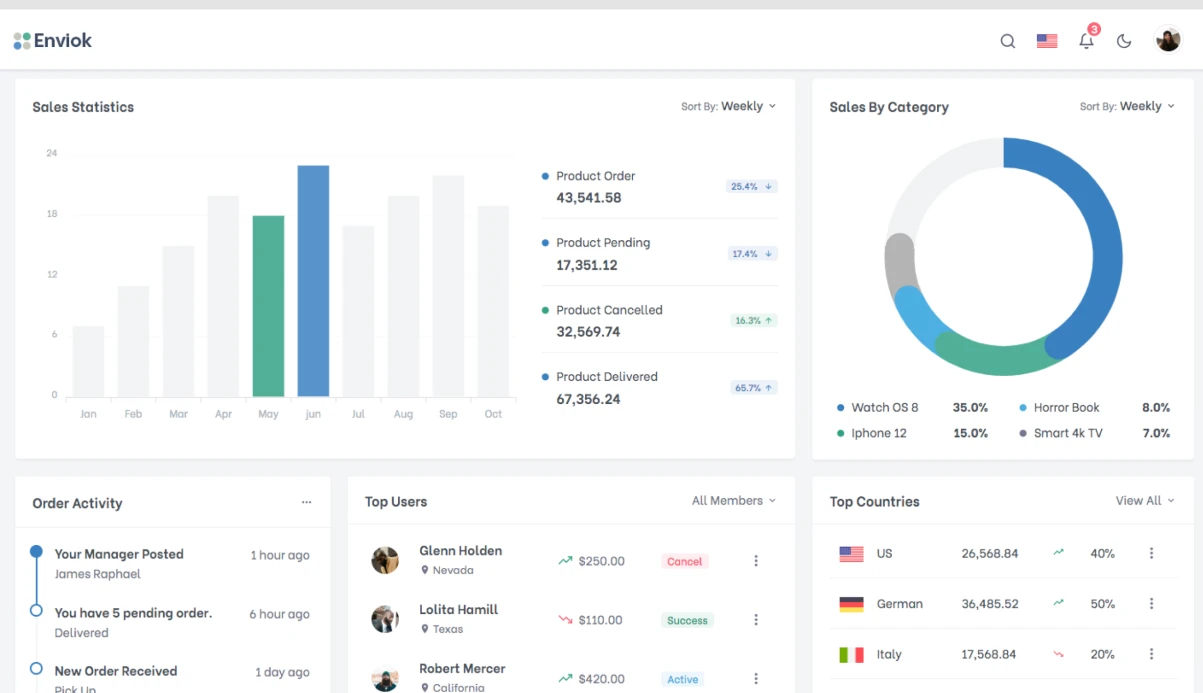
Ручной EDA — это repeatable труд: гистограммы, box plots, корреляционные матрицы. Мы автоматизируем генерацию дашборда из Plotly Subplots. Сравните:
| Параметр | Ручной EDA | AI-автоматический дашборд |
|---|---|---|
| Время на датасет 10 колонок | 2-3 часа | 15-20 минут |
| Количество графиков | до 10 | до 9 (настраиваемо) |
| Ошибки раскладки | часты | исключены |
| Повторяемость | низкая | 100% |
def create_auto_dashboard(df: pd.DataFrame) -> go.Figure:
    """Автоматический EDA дашборд"""
    from plotly.subplots import make_subplots

    num_cols = df.select_dtypes(include='number').columns.tolist()
    cat_cols = df.select_dtypes(include=['object', 'category']).columns.tolist()

    n_plots = min(len(num_cols) + len(cat_cols[:3]), 9)
    rows = (n_plots + 2) // 3
    fig = make_subplots(rows=rows, cols=3, subplot_titles=[
        *[f'Distribution: {c}' for c in num_cols[:6]],
        *[f'Top values: {c}' for c in cat_cols[:3]]
    ])

    idx = 1
    for col in num_cols[:6]:
        row, col_pos = (idx - 1) // 3 + 1, (idx - 1) % 3 + 1
        fig.add_trace(
            go.Histogram(x=df[col], name=col, nbinsx=30),
            row=row, col=col_pos
        )
        idx += 1

    for col in cat_cols[:3]:
        row, col_pos = (idx - 1) // 3 + 1, (idx - 1) % 3 + 1
        top_values = df[col].value_counts().head(10)
        fig.add_trace(
            go.Bar(x=top_values.index, y=top_values.values, name=col),
            row=row, col=col_pos
        )
        idx += 1

    fig.update_layout(height=300 * rows, showlegend=False, title="Data Overview")
    return fig
Типы графиков и когда их применять (таблица)
| Тип графика | Данные | Типичный use case |
|---|---|---|
| bar | категории vs число | сравнение продаж по месяцам |
| line | временной ряд | тренд выручки |
| scatter | две числовых колонки | корреляция |
| histogram | одна числовая колонка | распределение |
| heatmap | корреляционная матрица | мультиколлинеарность |
| box | категория vs число | выбросы в ценах по регионам |
| violin | категория vs число | распределение + плотность |
| pie | категории (топ-5) | доля рынка |
Что входит в работу (deliverables)
- Модуль SmartVisualizer с поддержкой 8 типов графиков и LLM-выбором
- Автоматический EDA дашборд для любого DataFrame (до 100 колонок)
- API-интеграция с вашим стеком (Flask, FastAPI, Streamlit)
- Документация по настройке и кастомизации
- Обучение команды (1 сессия онлайн)
- Гарантия на корректную работу визуализаций — фиксим баги в течение 2 недель после сдачи
Опыт и гарантии
Наша команда занимается Data Science и MLOps более 5 лет. Реализовали 30+ проектов по автоматизации аналитики для ритейла, финтеха и логистики. Используем стеки PyTorch, LangChain, Plotly, PostgreSQL. Каждое решение проходит code review и тестирование на синтетических данных. Предоставляем гарантию качества визуализаций: отсутствие визуального мусора, корректные подписи, соответствие стандартам Edward Tufte, "The Visual Display of Quantitative Information".
Как мы это делаем
- Аналитика: изучаем ваши данные, вопросы бизнеса, сценарии использования.
- Проектирование: определяем набор визуализаций, модель LLM, конвейер.
- Реализация: пишем код, интегрируем с вашим хранилищем (S3, PostgreSQL, Redshift).
- Тестирование: проверяем на реальных данных, A/B тест с ручным построением.
- Деплой: разворачиваем в вашем окружении (Kubernetes, SageMaker, Vertex AI).
Сроки и стоимость
Срок исполнения — от 5 до 15 рабочих дней в зависимости от сложности интеграции. Экономия трудозатрат при регулярном EDA составляет до 80%. Стоимость решения окупается в течение 2-3 месяцев. Свяжитесь с нами, чтобы получить консультацию и предварительный расчёт. Мы гарантируем прозрачность на каждом этапе.
Типичные ошибки при самостоятельной реализации
- Использование matplotlib вместо plotly — нет интерактивности и автоматической разметки.
- Хранение конфигурации графиков в коде, а не через LLM — сложно менять под новые данные.
- Отсутствие стандартного оформления — каждый график выглядит по-разному.
- Игнорирование корреляционной матрицы — теряете связи между признаками.
Правильная автовизуализация сокращает время первичного EDA с 2-3 часов до 15-20 минут для стандартных датасетов. Закажите модуль SmartVisualizer и получите консультацию — напишите нам.